Shield Your Eyes
from Diabetic Complications
Diabetes, which affects about 1 in 3 Canadians, can cause complications impacting your overall and visual health. Eye health problems associated with diabetes include glaucoma, cataracts, and diabetic eye disease.
Some diabetic eye diseases can present few or no symptoms before causing permanent vision loss. Comprehensive eye exams allow your eye doctor to detect these problems early and take steps to mitigate their effects before your eyesight is affected.
If you’re living with diabetes, you should have a comprehensive eye exam every year. Book your appointment today.

How Does Diabetes
Impact Vision?
Diabetes impairs the body’s ability to regulate blood sugar. If blood sugar is high for an extended period, it can cause damage to blood vessels, including the delicate vessels in the eyes.
Over time, damage to the blood vessels in the eyes can lead to diabetic eye disease, glaucoma, or cataracts, which can impair sight and cause irreversible vision loss.
What Eye Diseases Can Come with Diabetes?
Diabetes can increase your risk of developing diabetic eye disease, including diabetic retinopathy and diabetic macular edema, as well as glaucoma and cataracts. Each of these conditions can cause vision impairment and lead to blindness if left untreated.
Annual eye exams allow our team to monitor your eye health and catch signs of these conditions before you experience symptoms or vision loss. By detecting conditions early, we have more treatment options available to protect and preserve your vision.
Diabetic eye disease includes diabetic retinopathy and diabetic macular edema, the former of which can lead to the latter if left untreated.
Diabetic retinopathy occurs when the blood vessels in the eyes become damaged from high blood sugar levels. This can cause swelling in the retina as the blood vessels leak fluid into the eye. It is the 5th leading cause of avoidable blindness in Canada.
Diabetic macular edema occurs when this swelling affects the macula, which is the part of the eye responsible for central vision. Damage to the macula can permanently impair vision, impacting the ability to read, write, drive, or recognize people’s faces.
Glaucoma takes many forms, some of which have no apparent symptoms until they cause permanent vision loss. Open-angle glaucoma is over twice as likely to affect adults with diabetes.
This common type of glaucoma results from a buildup of pressure inside the eye, damaging the optic nerve so it can no longer send visual information to the brain. Our comprehensive eye exams include tonometry tests, which check eye pressure, to detect signs of glaucoma before symptoms arise.
The natural lens of your eye is usually clear, but it can cloud over time. This forms a cataract, which can gradually obscure your vision as they develop. Cataracts tend to show up later in life, but diabetes puts you at a higher risk for developing them sooner.
During an eye exam, your eye doctor can identify and diagnose cataracts before they create significant visual challenges. If the cataracts are significantly impairing your vision, we can explore options for surgically removing them.
What to Expect During Your Diabetic Eye Exam
A diabetic eye exam is similar to a standard comprehensive exam, with a few additional tests to monitor your retinal health. Your retina is the light-sentive layer that lines the inside of your eye and shows signs of diabetic retinopathy and diabetic macular edema.
Our diabetic eye exams include:
- A series of questions about your medical history and family medical history, so we can learn about potential risks to your eye health or vision.
- Tests to measure your visual acuity (how well you can see at various distances), refraction (whether you have nearsightedness, farsightedness, astigmatism, or presbyopia), and general eye health.
- Noninvasive testing, including retinal imaging (capturing images of the inside of your eye), tonometry testing (eye pressure checks), and OCT scans (mapping the layers of your retina, macula, and optic nerve), allows your optometrist to monitor your eyes for signs of disease.
- Recommendations and prescriptions for vision correction (including glasses and contact lenses) or medication that you may need.
- Referral to an ophthalmologist or specialist, if necessary.
- Opportunities to raise any other concerns you may have about your vision or eye health.
Please bring your current prescription glasses or contact lenses to your appointment, along with a list of any current medications you are taking.
Proactively Care for your
Eyes and Health
The easiest way to prevent diabetic eye diseases from permanently affecting your sight is to catch them early. Comprehensive eye exams allow your eye doctor to discover potential problems while there is still time to manage them effectively. Eye exams are also an effective tool to monitor your overall health and catch signs of systemic health conditions, such as diabetes, before you’re diagnosed.
We recommend annual eye exams for our patients with diabetes. Contact us today and schedule your next visit.


Finding
Our Clinic
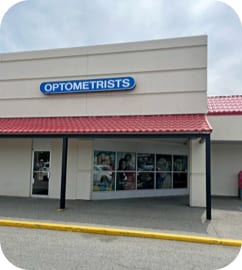
We’re located in the Northills Shopping Centre off Tranquille Road. Find our office between the CIBC and the Interior Health clinic on the north side of the mall. For your convenience, our entrance is directly accessible from the parking lot—no mall entry required.


Visit
Our Location
Our eye clinic is conveniently located at the Northills Shopping Centre, next to the CIBC.
Where to Park?
The mall offers spacious parking and accessible parking spaces.
Hours of Operation
*Closed between 12:00 PM and 1:00 PM every day for lunch
Our Google
Reviews
Our Featured
Eyewear Brands





Our Patient
Education Hub
Land
Acknowledgement
We’re grateful to live and work on Tk’emlúps te Secwépemc territory, within the unceded ancestral lands of the Secwepemcúĺecw. We acknowledge and respect the history, language, and culture of the Secwépemc people who have lived here since time immemorial. We make this acknowledgement as an act of reconciliation.

About Us
Services
Specialty Eye Exams
Patient Education Hub
Thompson Rivers Family Optometry
- 250-376-1985
- 250-376-1309
- office@trfo.ca