
Early Diagnosis:
The Key to Better Outcomes
Eye diseases threaten the vision of more than 5.59 million Canadians, often in ways that are permanent and irreversible. However, many of these diseases can be slowed down significantly when detected and managed early.
Regular comprehensive eye exams give your eye doctor the chance to discover potentially serious eye problems before they can cause severe consequences. At Thompson Rivers Family Optometry, we are ready to help you keep an eye out for ocular diseases and deal with them as soon as possible.
Book your eye exam with us today and let us help you protect your eye health.
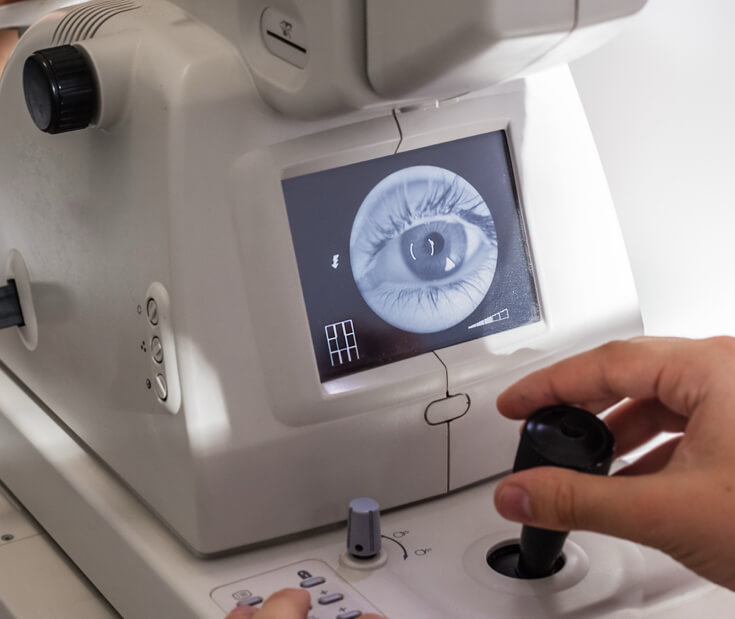
Tech-Powered
Detection
We use innovative eye care technology to closely monitor your eye health through your comprehensive eye exams.
This technology includes digital retinal imaging and optical coherence tomography (OCT), which allows us to have an in-depth look at your eyes through different viewpoints, making it easier to detect small changes in your eye health or vision.
Glaucoma Management
Glaucoma refers to a group of multiple progressive and chronic eye diseases that damage the optic nerve. Many forms of glaucoma are caused by pressure buildup inside the eye. When this pressure damages the optic nerve, it can no longer send visual information to the brain.
Glaucoma can cause permanent, irreversible vision loss and is a leading cause of blindness in Canada. It is often called the “silent thief of sight” because the most common type, open-angle glaucoma, does not have noticeable symptoms during early stages.
An optometrist can detect glaucoma before vision loss begins and help you curb its progress. As such, early detection is critical for protecting your eyesight from this disease.
Some of the most common types of glaucoma include:
- Open-Angle Glaucoma: Occurs when the drainage system in your eye is blocked. This blockage causes fluid to accumulate, increasing pressure in your eye and damaging the optic nerve.
- Angle-Closure Glaucoma: Results from a blockage in the drainage angle, causing fluid to build up in your eye, which increases pressure and damages the optic nerve. Angle-closure glaucoma can be acute or chronic, but acute angle-closure glaucoma is considered a medical emergency.
- Normal-Tension Glaucoma: Occurs when the optic nerve is damaged by factors other than elevated internal eye pressure.
There are various factors associated with an increased risk of glaucoma, including:
- Family history of glaucoma
- Increased age
- Physical injury or surgery to the eye
- Certain medical conditions, including diabetes, cardiovascular conditions, and hypertension
- Certain eye-related conditions (such as high myopia, retinal detachment, or eye tumours)
Glaucoma is typically not accompanied by noticeable symptoms during the early stages. Signs of glaucoma that can be detected during an eye exam include increased internal eye pressure, peripheral vision loss, and physical changes inside the eye.
We use tonometry to check your internal eye pressure (intraocular pressure). Visual field checks are used to objectively measure your peripheral vision and track any changes over time. OCT scans and retinal imaging are used to monitor your eye for any physical changes.
Care for Cataracts
Cataracts are a leading cause of blindness around the world. They are caused by protein changes in the lens.
Cataracts develop slowly over time, but the more they grow, the more they can obscure your vision, affecting daily tasks like reading, driving, and recognizing faces. Without treatment, cataracts may eventually cause total vision loss.
Cataracts most commonly appear in people who are older than 60, but anyone can get them. Cataracts cause blindness in more than 3.5 million Canadians, but an ophthalmologist can surgically remove them in most cases, restoring vision.
There are numerous types of cataracts. The most common include:
- Nuclear: Cataracts that form on the nucleus (centre part) of the eye’s lens.
- Subcapsular: Cataracts that form on the rear of the lens.
- Cortical: Cataracts that form on the lens cortex near the nucleus, and gradually spread towards the centre of the lens.
Age is the leading risk factor for cataracts, but other factors can increase this risk as well:
- Injuries
- Diabetes
- High myopia
- Exposure to radiation
- Complications from eye surgery
- An unbalanced diet, especially one lacking antioxidant vitamins and minerals
- Smoking and alcohol consumption
Some early effects of cataracts can be offset by updating your prescription for glasses or contacts, or by altering your routines. However, diagnosis by a qualified eye doctor and removal by an eye surgeon is the only way to remove cataracts entirely and restore vision.
We can provide a referral to a local ophthalmologist when your cataracts are ready for surgical removal.
Other Common Eye Diseases We Manage
In addition to glaucoma and cataracts, our optometrist screens for other common eye diseases and conditions, such as AMD, conjunctivitis, diabetic eye disease, and dry eye. Through our diagnostic technology, Dr. Allaway monitors any changes to your eye health or vision that may indicate a concern.
Additionally, our team will review any symptoms or discomfort you’ve experienced to screen for conditions like dry eye during the pre-testing phase of your eye exam. Your lived experience is just as important as the diagnostic tests for maintaining a thorough understanding of your health.
Diabetic eye disease refers to a group of eye diseases that can result from diabetes. This includes diabetic retinopathy and diabetic macular edema, which occur when unregulated blood sugar levels cause damage to the eyes’ blood vessels.
Diabetic retinopathy results from damaged blood vessels that leak into the retina, impacting vision. If left untreated, it can progress to diabetic macular edema, which can cause central vision loss.
Eye exams, including OCT scans, retinal imaging, and eye pressure checks, help to monitor for signs of diabetic eye disease.
Age-related macular degeneration (AMD) typically affects adults over 50. It results from the deterioration of the macula, a portion of the retina needed for central vision. People with AMD often face difficulty driving, reading, recognizing faces, and performing other tasks that depend on central vision.
Your risk of developing AMD may increase if you smoke or are frequently exposed to UV light.
Vision loss is often the first noticeable symptom of AMD, and without management, it will eventually cause total blindness. Comprehensive eye exams, including OCT scans and retinal imaging, are the most reliable way to detect AMD early so you and your eye doctor can slow its progression.
Conjunctivitis is a group of infections that cause inflammation in the tissue that lines your eyes and inner eyelids. Conjunctivitis is commonly known as “pink eye.”
The most common forms of conjunctivitis are:
- Allergic conjunctivitis: Caused by allergic reactions, often accompanied by cold-like symptoms such as sneezing and a runny nose. It can also lead to watering, burning, or itching eyes.
- Bacterial or viral conjunctivitis: Caused by an infection. Both forms are highly contagious and can cause discharge from the eyes. This discharge can harden in your sleep and glue your eyelids together when you wake up.
- Chemical conjunctivitis: Caused by chemical contact and should be treated as an eye emergency.
Each form of conjunctivitis requires specific treatment, so you’ll need an official diagnosis to determine the right solution. Contact us for an appointment if you think you or your child may have conjunctivitis.
Dry eye, also called ocular surface disease, is caused by a disruption to the tear film. It can be a result of your eyes failing to produce enough tears or from producing poor-quality tears.
A healthy tear film has 3 layers: the mucus layer, the water layer, and the oil layer. If these layers are unbalanced, it can lead to uncomfortable dry eye symptoms, such as gritty, scratchy, tired eyes or the feeling of something in your eye.
Dry eye diagnosis includes evaluating your tear film and symptoms. After a diagnosis, we can recommend an at-home treatment plan or a referral to a specialist.
Protect Your Vision
Through Routine Exams
As many eye diseases emerge without recognizable symptoms, attending regular eye exams is the most effective way to identify eye diseases while they can still be managed effectively. An eye doctor can monitor your eyes for signs of disease and track subtle changes to your eye health and vision.
Don’t wait for vision problems to see an optometrist. Take a proactive stance on your health by attending routine, comprehensive exams every 1–2 years.
Contact us today to book your next appointment.


Finding
Our Clinic
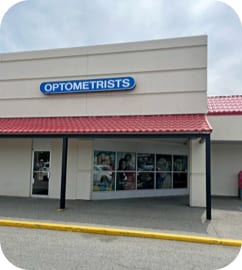
We’re located in the Northills Shopping Centre off Tranquille Road. Find our office between the CIBC and the Interior Health clinic on the north side of the mall. For your convenience, our entrance is directly accessible from the parking lot—no mall entry required.


Visit
Our Location
Our eye clinic is conveniently located at the Northills Shopping Centre, next to the CIBC.
Where to Park?
The mall offers spacious parking and accessible parking spaces.
Hours of Operation
*Closed between 12:00 PM and 1:00 PM every day for lunch
Our Google
Reviews
Our Featured
Eyewear Brands





Our Patient
Education Hub
Land
Acknowledgement
We’re grateful to live and work on Tk’emlúps te Secwépemc territory, within the unceded ancestral lands of the Secwepemcúĺecw. We acknowledge and respect the history, language, and culture of the Secwépemc people who have lived here since time immemorial. We make this acknowledgement as an act of reconciliation.

About Us
Services
Specialty Eye Exams
Patient Education Hub
Thompson Rivers Family Optometry
- 250-376-1985
- 250-376-1309
- office@trfo.ca